September 2, 2026
Understanding the distinct operational mechanisms, power output capabilities, and financial commitments associated with modern energy storage options remains essential for vehicle owners. Modern automobiles rely heavily on electrical power to operate essential components, ranging from high-definition touchscreen displays and advanced driver-assistance systems to heavy electric motors. Whether powering an internal combustion engine or driving an electric vehicle, the energy system serves as the heart of vehicle functionality. Traditional internal combustion engines utilize low-voltage units to spark ignition, while electric models require massive high-voltage packs to drive entire powertrains. Comparing operational capabilities, life expectancy, maintenance requirements, and overall costs helps drivers make informed decisions when managing long-term vehicle ownership. Partnering with a reliable car battery provider ensures that vehicle owners receive expert guidance, routine voltage assessments, and professional replacement options tailored to their vehicle's specific requirements.
Examining Core Structural and Chemical Differences
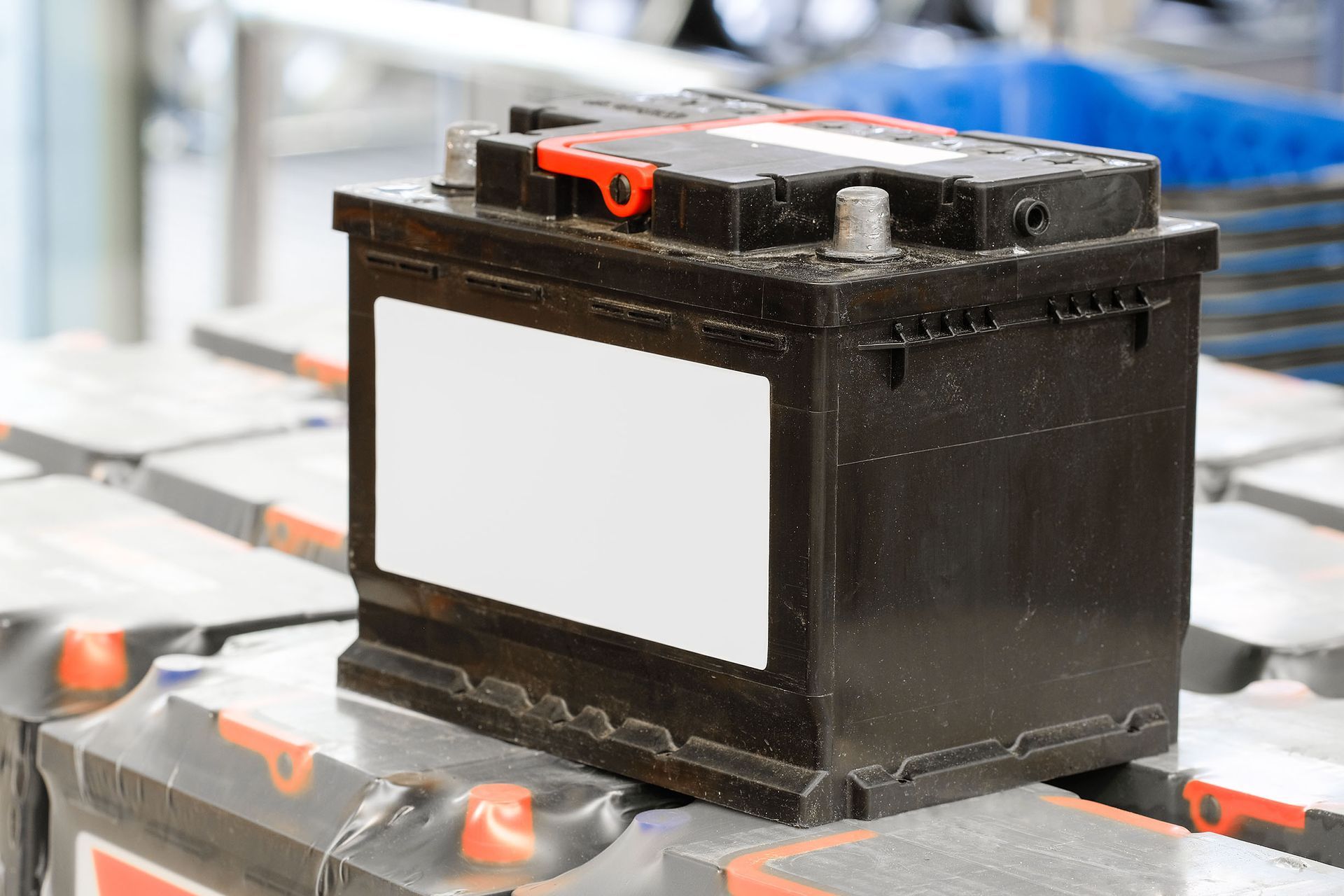
Analyzing internal chemical compositions reveals how low-voltage lead-acid units differ fundamentally from complex lithium-ion energy storage systems. Standard internal combustion vehicles rely primarily on sealed lead-acid or absorbent glass mat units designed to deliver sudden bursts of electrical current. These traditional components provide short, intense power outputs necessary to engage starter motors, ignite fuel mixtures, and power onboard accessories while the alternator charges the system. Conversely, electric vehicles utilize vast high-voltage lithium-ion assemblies engineered to store massive amounts of energy for sustained power delivery over long driving ranges. These advanced arrays feature thousands of interconnected cells regulated by sophisticated thermal management loops and computerized monitoring systems. Understanding these chemical distinctions helps drivers appreciate the technological leap between standard starting power and continuous propulsion storage. Consulting knowledgeable technicians when selecting a car battery guarantees that your vehicle receives the exact power rating and chemistry required for peak performance.
Comparing Operational Performance and Energy Density
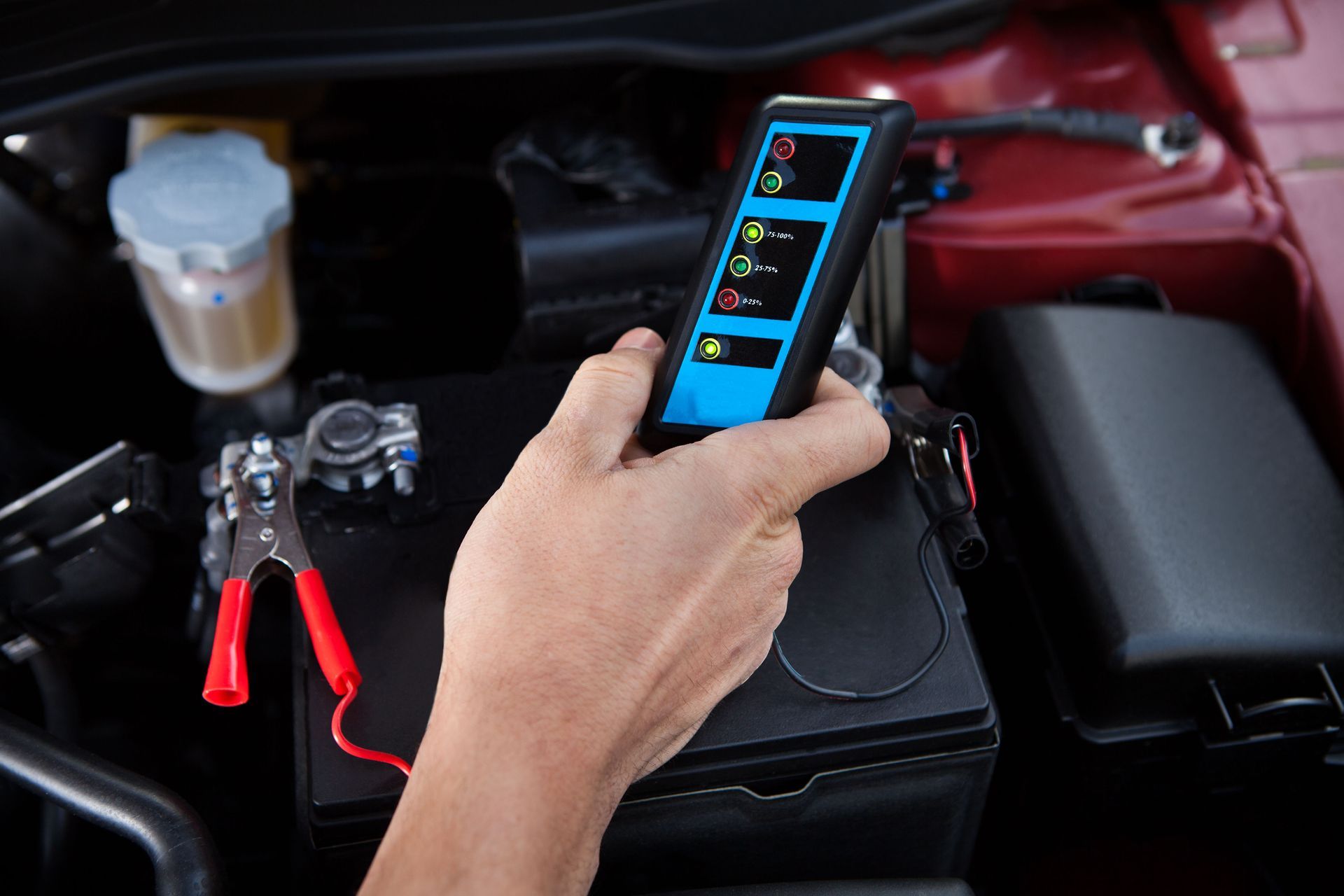
Evaluating energy density metrics illustrates how advanced electrical systems support continuous vehicle operation compared to standard starting units. Traditional lead-acid units exhibit low energy density, storing relatively small amounts of total power while excelling at rapid discharge spikes. Once an internal combustion engine starts running, the vehicle's alternator takes over, continuously recharging the unit and powering cabin electronics. In contrast, electric vehicle packs possess extremely high energy density, holding sufficient electricity to drive heavy vehicles across long highway distances on a single charge. However, continuous power delivery exposes high-voltage packs to internal thermal stress, requiring liquid cooling passages to prevent overheating and power degradation during rapid acceleration. Furthermore, cold winter weather can temporarily reduce chemical activity, impacting overall driving range and charging speed. Scheduling routine diagnostic checks for your car battery helps maintain optimal electrical conductivity, preserving reliable performance across changing seasonal temperatures.
Evaluating Upfront Replacement and Maintenance Expenses
Comparing initial purchase costs reveals a dramatic financial gap between standard vehicle units and high-voltage propulsion assemblies. Replacing a standard lead-acid or absorbent glass mat unit represents a modest routine vehicle maintenance expense, generally occurring every few years. These compact units require minimal ongoing maintenance beyond keeping terminal posts clean, verifying tight mounting brackets, and checking alternator output levels. On the other hand, replacing a full electric vehicle pack represents a major financial investment due to expensive raw materials, complex internal electronics, and specialized installation labor. However, electric vehicle owners benefit from significantly lower routine maintenance costs, avoiding regular engine oil changes, spark plug replacements, and belt adjustments. Budgeting for eventual energy storage updates remains an important aspect of long-term vehicle ownership regardless of drivetrain choice. Purchasing a quality car battery from an established distributor ensures reliable starting without incurring unexpected financial surprises.
Assessing Total Lifespan and Degradation Factors
Tracking chemical degradation patterns allows drivers to estimate total service lifespans and plan timely equipment replacements. Standard starting units typically provide reliable service for several years, depending on regional weather conditions, driving habits, and electrical accessory loads. Extreme summer heat accelerates internal grid corrosion and fluid evaporation, causing sudden starting failures without warning. Conversely, electric vehicle packs are engineered for long-term durability, often lasting over a decade before experiencing noticeable capacity loss. Advanced onboard battery management systems actively monitor individual cell voltages, balance electrical charges, and regulate internal temperatures to minimize capacity fade over thousands of charging cycles. Over time, natural chemical degradation gradually reduces total driving range rather than causing sudden, complete vehicle failure. Monitoring the real-time health of your car battery ensures that you catch declining voltage levels early, avoiding unexpected roadside breakdowns.
Understanding Environmental Recycling and Sustainability Impacts
Analyzing sustainable end-of-life processing highlights critical environmental benefits across both traditional and modern vehicle energy systems. Traditional lead-acid vehicle units represent one of the most successfully recycled consumer products worldwide, boasting nearly complete material recovery rates across local collection networks. Retained lead plates, plastic casings, and acid solutions are routinely processed and remanufactured into brand-new units, creating an efficient circular economy. Meanwhile, electric vehicle pack recycling infrastructure is expanding rapidly to recover valuable raw materials like lithium, cobalt, nickel, and manganese. According to Cognitive Market Research, in 2024, North America accounted for around 40% of global battery recycling activity (by revenue share) in 2024, driven partly by end of life processing of automotive batteries among other applications. Establishing robust closed-loop recycling networks mitigates raw material scarcity, reduces mining environmental impacts, and supports sustainable manufacturing across the transportation industry. Returning a depleted car battery to a certified recycling location keeps toxic materials out of local landfills while supporting eco-friendly manufacturing processes.
Navigating Charging Infrastructure and Daily Convenience
Comparing daily refueling habits demonstrates distinct lifestyle differences between traditional gasoline fill-ups and routine electrical charging routines. Drivers operating conventional vehicles enjoy rapid refueling options, stopping at local service stations for quick fill-ups that provide hundreds of miles of driving range within minutes. Traditional vehicle units recharge automatically while driving, requiring zero manual charging effort from the operator during daily commutes. Conversely, electric vehicle owners adapt to home charging routines, plugging in overnight to replenish driving range during off-peak electricity hours. While public fast-charging stations allow quick power top-offs during long road trips, charging times remain longer than conventional fuel stops. Additionally, heavy reliance on frequent rapid charging can generate excess internal heat, slightly accelerating long-term cell degradation over time. Maintaining a healthy car battery across any vehicle platform guarantees smooth starting reliability, consistent electrical supply, and hassle-free daily transportation.
Navigating the choices between electric vehicle propulsion arrays and traditional starting units requires balancing performance demands, maintenance habits, environmental impacts, and long-term operating budgets. While traditional internal combustion vehicles rely on low-voltage units for quick engine starts, electric vehicles utilize high-density energy storage systems engineered for continuous highway propulsion. Understanding these fundamental differences empowers vehicle owners to maintain their electrical systems effectively, extend component lifespans, and manage total ownership costs over time. Whether driving an advanced electric model or a dependable gasoline vehicle, prioritizing routine diagnostic checks, clean electrical connections, and proper seasonal maintenance safeguards vehicle performance through every season. Partnering with experienced automotive electrical specialists guarantees access to high-quality products, accurate testing equipment, and responsible recycling services. At Full Service Battery Inc, we take immense pride in delivering top-tier vehicle power solutions, precise diagnostic testing, expert installation, and reliable customer service to keep your vehicle starting strong. Contact us today to schedule your routine electrical inspection, explore our extensive inventory options, or discover how our knowledgeable team can support all your automotive power requirements.