October 6, 2026
A car battery is one of those components that can work reliably for years and then suddenly leave a driver with a vehicle that will not start. While batteries do not have a guaranteed expiration date, most conventional automotive batteries have a service life of several years, depending on climate, driving habits, vehicle design, and maintenance. Understanding what affects battery life can help drivers recognize problems before they become inconvenient or lead to an unexpected breakdown.
Battery technology is also becoming more varied as hybrid and electric vehicles become more common. According to the U.S. Energy Information Administration, about 22% of light-duty vehicles sold in the United States in 2025 were hybrid, battery electric, or plug-in hybrid vehicles, compared with 20% in 2024. Although these vehicles use different high-voltage battery systems, many still have a conventional low-voltage battery or auxiliary battery that serves important electrical functions.
How Long Does a Standard Car Battery Last?
A typical 12-volt automotive battery often lasts approximately three to five years, although its actual service life can vary considerably. Some batteries may continue functioning beyond five years under favorable conditions, while others can begin failing sooner when exposed to severe temperatures, repeated deep discharges, or demanding electrical loads.
The battery's age is therefore an important consideration when evaluating whether car battery replacement may soon be necessary. A battery that is several years old may still start the vehicle normally but have considerably less reserve capacity than when it was new. That reduced capacity can become apparent when temperatures fall or when the vehicle sits unused for an extended period.
Driving patterns also matter. Vehicles that are driven regularly for reasonably long periods generally give their charging systems more opportunity to replenish energy used during starting. Conversely, frequent short trips may place greater demands on the battery because the engine may not run long enough to fully replace the energy consumed during repeated starts.
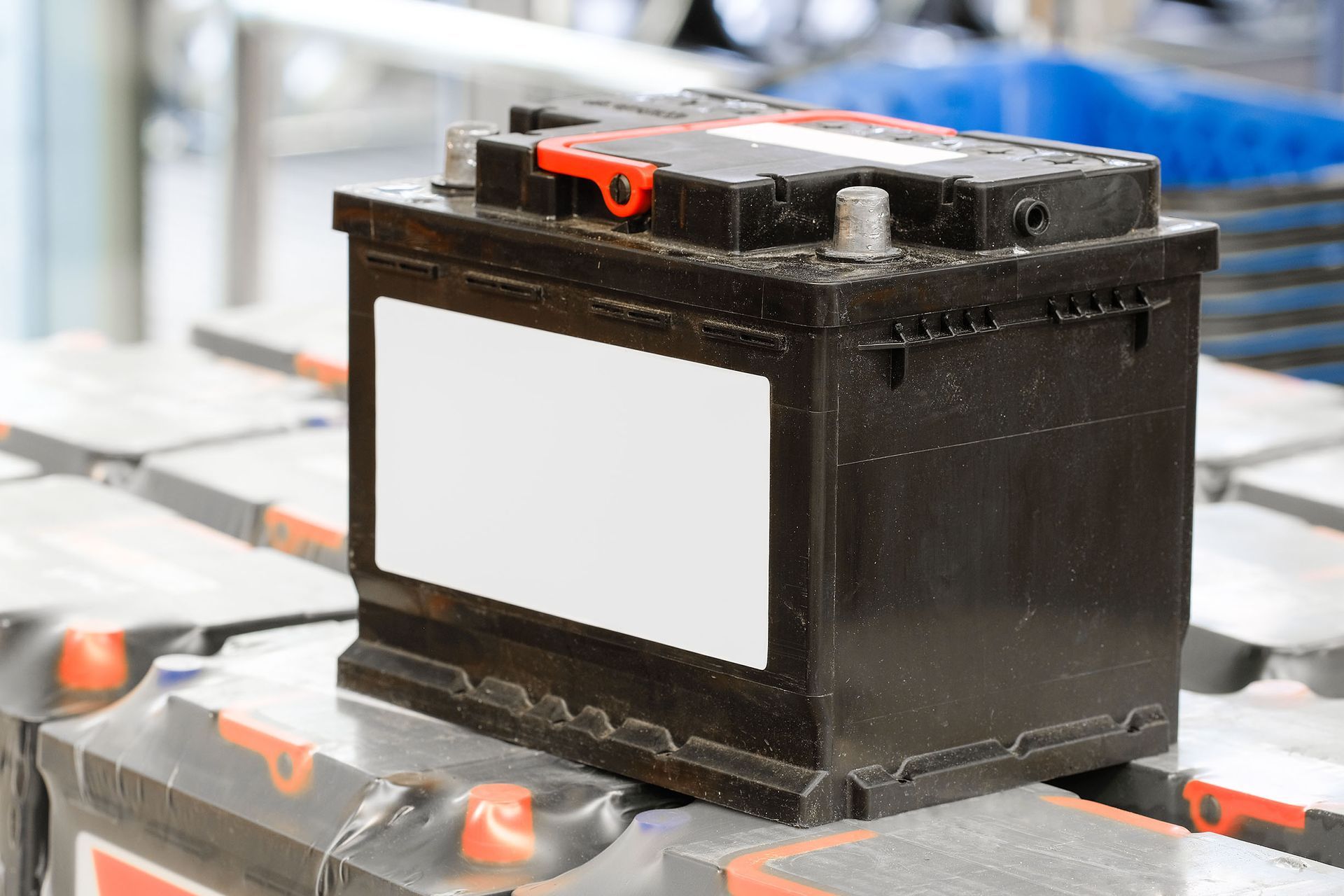
Battery construction also influences longevity. Conventional flooded lead-acid batteries, absorbed glass mat batteries, and other designs have different characteristics and maintenance requirements. The correct replacement battery should always match the vehicle manufacturer's specifications for size, capacity, terminal configuration, and technology.
What Are the Signs of a Dying Car Battery?
One of the most obvious signs of a weak battery is slower-than-normal engine cranking. Instead of the starter turning the engine over briskly, the engine may crank sluggishly or produce a clicking sound when the ignition is turned. This does not automatically prove that the battery is responsible, since starter, charging-system, cable, and connection problems can produce similar symptoms.
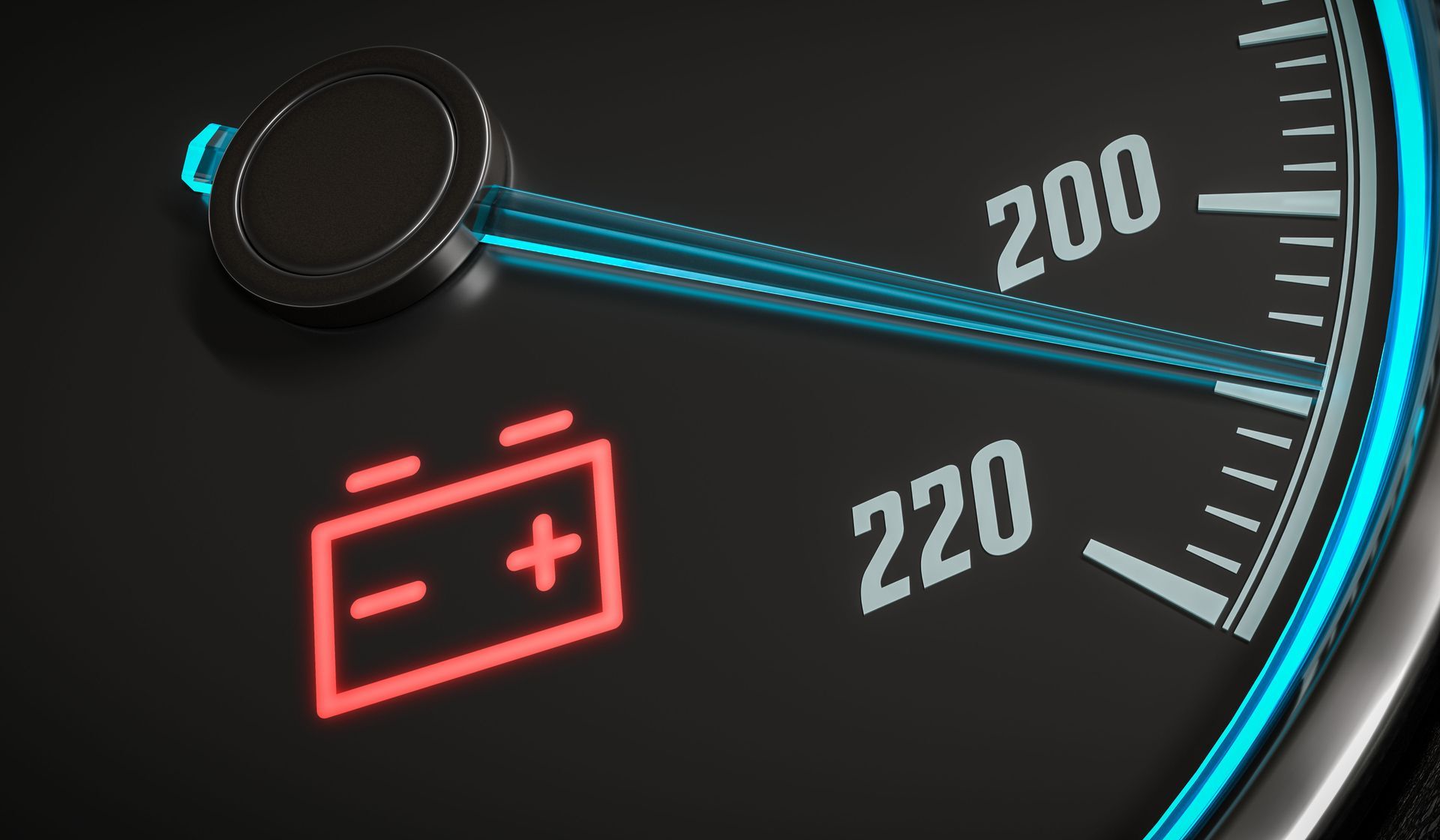
Dimming headlights or unusual electrical behavior can also provide clues. If interior lights become noticeably weaker when starting the vehicle, or electronic accessories behave inconsistently, the battery or charging system may warrant inspection.
Another warning sign is the need for repeated jump-starts. A battery that repeatedly loses enough charge to prevent starting may be unable to retain energy properly. However, repeated discharge can also indicate that something else is draining the battery while the vehicle is parked.
Physical symptoms deserve attention as well. Corrosion around the terminals, a damaged battery case, or visible swelling can indicate a problem. A swollen or physically damaged battery should not simply be ignored until it stops working. If testing confirms that the battery has reached the end of its useful life, car battery replacement can prevent an otherwise avoidable no-start situation.
What Factors Can Shorten the Lifespan of a Car Battery?
Several factors can accelerate battery deterioration. Frequent short-distance driving is one common contributor because starting the engine consumes electrical energy while short trips may provide limited time for the alternator to replenish it.
Extended periods of inactivity can also cause problems. Even when a vehicle is turned off, certain systems continue consuming small amounts of electricity. Over time, that parasitic draw can discharge the battery. Leaving accessories, lights, or other equipment operating while the engine is off can drain it even faster.
Electrical problems can create additional strain. A malfunctioning alternator may fail to recharge the battery adequately, while excessive parasitic draw can continually discharge it. Loose, dirty, or corroded battery connections can also interfere with current flow and make a healthy battery appear defective.
How Does Weather Affect Car Battery Performance?
Temperature has a significant effect on automotive battery performance. Cold weather can reduce the amount of power a battery can deliver while simultaneously making the engine harder to crank. Engine oil also becomes more viscous in low temperatures, increasing the effort required from the starter.
This combination explains why a battery that seemed adequate during warmer months can suddenly struggle during winter. A marginal battery may continue starting the vehicle in mild weather but fail when temperatures drop substantially.
Heat presents a different problem. High temperatures can accelerate chemical reactions inside a lead-acid battery and contribute to water loss and internal deterioration. Repeated exposure to extreme heat can therefore shorten overall battery life, even if the battery appears to perform normally at first.
Seasonal temperature changes can expose weaknesses that were already developing. Rather than assuming that cold weather itself caused the failure, it is often more accurate to view extreme temperatures as conditions that reveal a battery's declining capacity.
When Is It Time for a Car Battery Replacement?
There is no single mileage figure or exact date that determines when every battery needs to be replaced. Instead, drivers should consider the battery's age, symptoms, test results, and overall vehicle condition.
A battery that is several years old and beginning to crank slowly deserves closer attention. The same is true for a battery that has repeatedly required jump-starts or has failed a professional load or conductance test. In these circumstances, replacing the battery before complete failure can reduce the likelihood of being stranded.
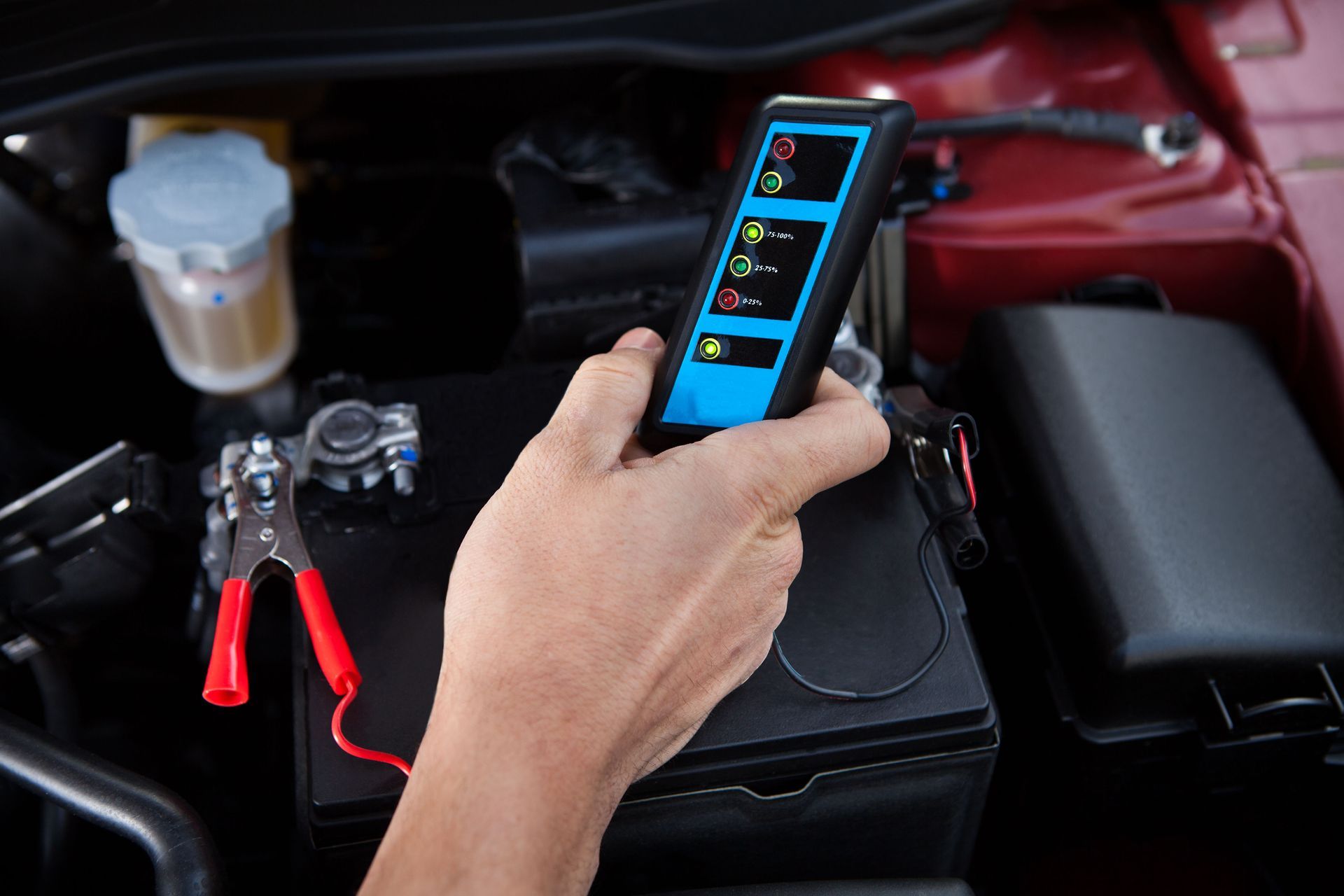
Testing is particularly useful because visual inspection alone cannot reliably determine a battery's remaining capacity. A battery can look clean and intact while still being unable to deliver sufficient starting power. Conversely, corrosion or other visible issues may sometimes be addressed without replacing the battery itself.
It is also important to distinguish battery failure from charging-system problems. Installing a new battery will not permanently solve an alternator problem, excessive parasitic draw, or poor electrical connection. If a replacement battery repeatedly becomes discharged, the underlying electrical system should be inspected.
When replacement is necessary, choosing the correct battery matters. Drivers should follow the vehicle manufacturer's specifications and consider factors such as battery group size, cold-cranking capability, reserve capacity, and battery type. Vehicles equipped with start-stop systems may require specific battery technology rather than a conventional replacement.
For hybrid and electric vehicles, the terminology can be especially important. A vehicle may have a large high-voltage traction battery as well as a separate low-voltage system. A problem with one does not necessarily mean the other needs replacement, so diagnosis should be based on the vehicle's specific electrical architecture.
Understanding how long a car battery typically lasts and what causes premature failure can help drivers avoid unexpected starting problems. Most conventional automotive batteries provide several years of service, but extreme temperatures, short trips, inactivity, electrical faults, and repeated discharges can shorten that lifespan.
Recognizing warning signs such as slow cranking, dimming lights, repeated jump-starts, or a failed battery test provides an opportunity to investigate the problem before complete failure occurs. Regular inspections can also help identify corroded connections or charging-system problems that may otherwise be mistaken for a bad battery.
When testing confirms that the battery is nearing the end of its useful life, timely
car battery replacement can help maintain dependable vehicle operation. With appropriate maintenance and attention to changing conditions, drivers can reduce the chances of discovering a dead battery at the worst possible time. If you're searching for a quality battery, reach out to Full Service Battery Inc today!