August 7, 2026
Your vehicle is an essential part of your daily routine. From commuting to work to running errands around town, you rely heavily on your car to get you where you need to go. Every journey begins with a simple turn of the key or a push of a button. However, that seamless start depends entirely on a complex electrical system functioning properly behind the scenes. At the heart of this system lies the power source responsible for sending the initial jolt of electricity to the starter motor. When this component begins to fail, the reliability of your entire vehicle comes into question, leading to immense frustration.
Recognizing warning indicators before complete failure happens saves you time and money. Proactive maintenance prevents you from being stranded in an empty parking lot late at night. Instead of waiting for a breakdown, learn to identify the subtle clues your vehicle provides. We will explore the top four indicators that signal it's time for a car battery replacement. Paying attention to these specific symptoms will keep your vehicle running smoothly and ensure you maintain control over your transportation schedule.
1. Slow Engine Crank When Starting
Starting your engine requires a massive amount of electrical energy in a short period. When you turn the ignition key, the system sends a powerful surge of electricity directly to the starter motor. This motor physically spins the engine to initiate the internal combustion cycle. For this to happen instantly, the internal components of your primary power source must be in excellent condition. As the internal metal plates degrade from regular use, they lose their ability to hold this required electrical charge effectively.
When this degradation occurs, you will notice a distinct change in the way your engine sounds when starting. Instead of a quick turnover, the engine will crank slowly and take much longer than normal to catch. You might hear a sluggish, heavy rolling sound that groans as the engine struggles to turn over. Cold weather amplifies this problem significantly because lower temperatures physically slow down internal chemical reactions. This specific auditory clue is often the earliest red flag that your electrical storage capacity is diminishing.
Drivers should never ignore a slow crank because it's a symptom that always worsens with time. Eventually, that heavy, sluggish sound will turn into a single click or total silence when you turn the key. Getting a proactive car battery replacement at this stage prevents an unexpected breakdown during your morning commute. Addressing the slow crank immediately keeps you safe and ensures your vehicle starts reliably every time.
2. Weak Vehicle Electrical Output
Your vehicle relies on a constant stream of electricity to power a wide array of features. While the engine is turned off, the system powers all the electrical components entirely on its own. Once the engine is running, the alternator takes over to provide power and recharge the system. However, the initial power source still acts as a crucial voltage stabilizer to keep the electrical current smooth. When it loses the ability to hold a proper charge, these various electrical systems fail to receive adequate power to function.
The most obvious sign of this electrical struggle is a change in headlight brightness. You might notice your lights appearing notably dimmer than usual, especially when your vehicle is idling at a stoplight. When you step on the gas pedal and accelerate, the lights might suddenly brighten. This fluctuation happens because the failing power source forces the alternator to work significantly harder to compensate. Other modern electrical glitches, like sluggish power windows or malfunctioning heated seats, frequently accompany these dimming headlights.
According to Consumer Reports, the average car battery lasts for three to five years. If your vehicle falls within this timeframe and you start experiencing these random electrical anomalies, the root cause is almost certainly under the hood. Scheduling a car battery replacement will restore the proper voltage to your vehicle. This simple service resolves the dimming lights and ensures all your luxury electrical accessories function exactly as the manufacturer intended.
3. Swollen, Misshapen, or Leaking Casing
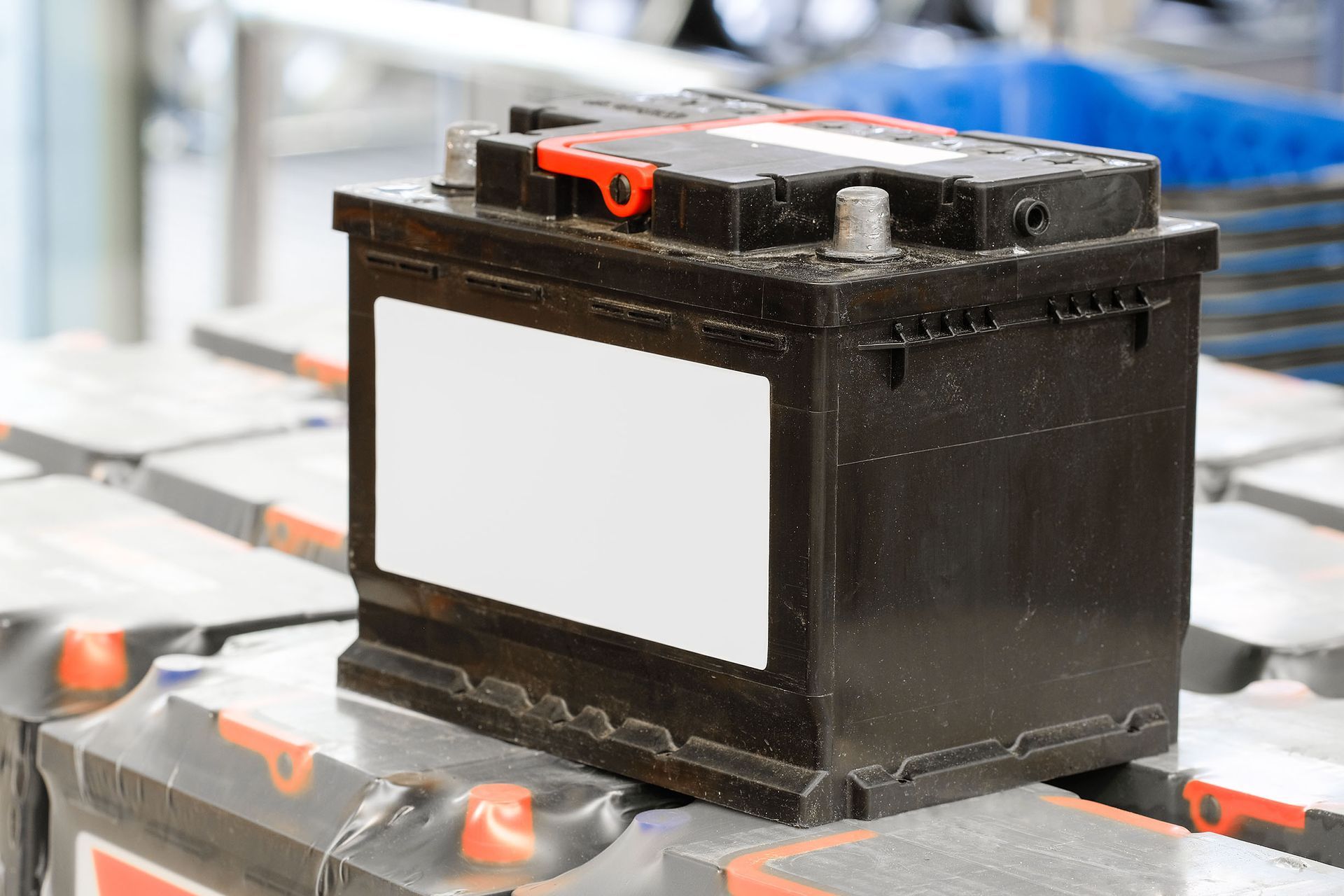
A visual inspection under the hood reveals critical information about your vehicle components. You don't need to be a mechanic to recognize when something looks structurally wrong. The physical shape of the casing is a direct indicator of its internal condition and overall safety. Extreme temperature fluctuations, particularly intense heat during summer driving, cause the internal chemical solution to expand and contract rapidly as you drive.
This repeated thermal stress forces the flat sides of the plastic casing to swell or bulge outward. A healthy unit should always have a perfectly rectangular profile with completely flat sides. If yours looks like a bloated rectangle, the internal lead plates are heavily compromised. Alongside structural swelling, you might spot excessive corrosion or acidic fluid leaks around the metal terminal posts. This bluish-green powdery substance creates significant electrical resistance, preventing the starter motor from receiving power.
You must secure a car battery replacement immediately if you notice any physical swelling or chemical leaks. Driving with a bloated casing is dangerous because the internal pressure can lead to an explosion under the hood. Acid leaks will aggressively eat away at surrounding engine components and wiring harnesses. Removing the damaged unit promptly protects your engine bay from extensive chemical damage and costly secondary repairs.
4. Glowing Dashboard Warning Indicators
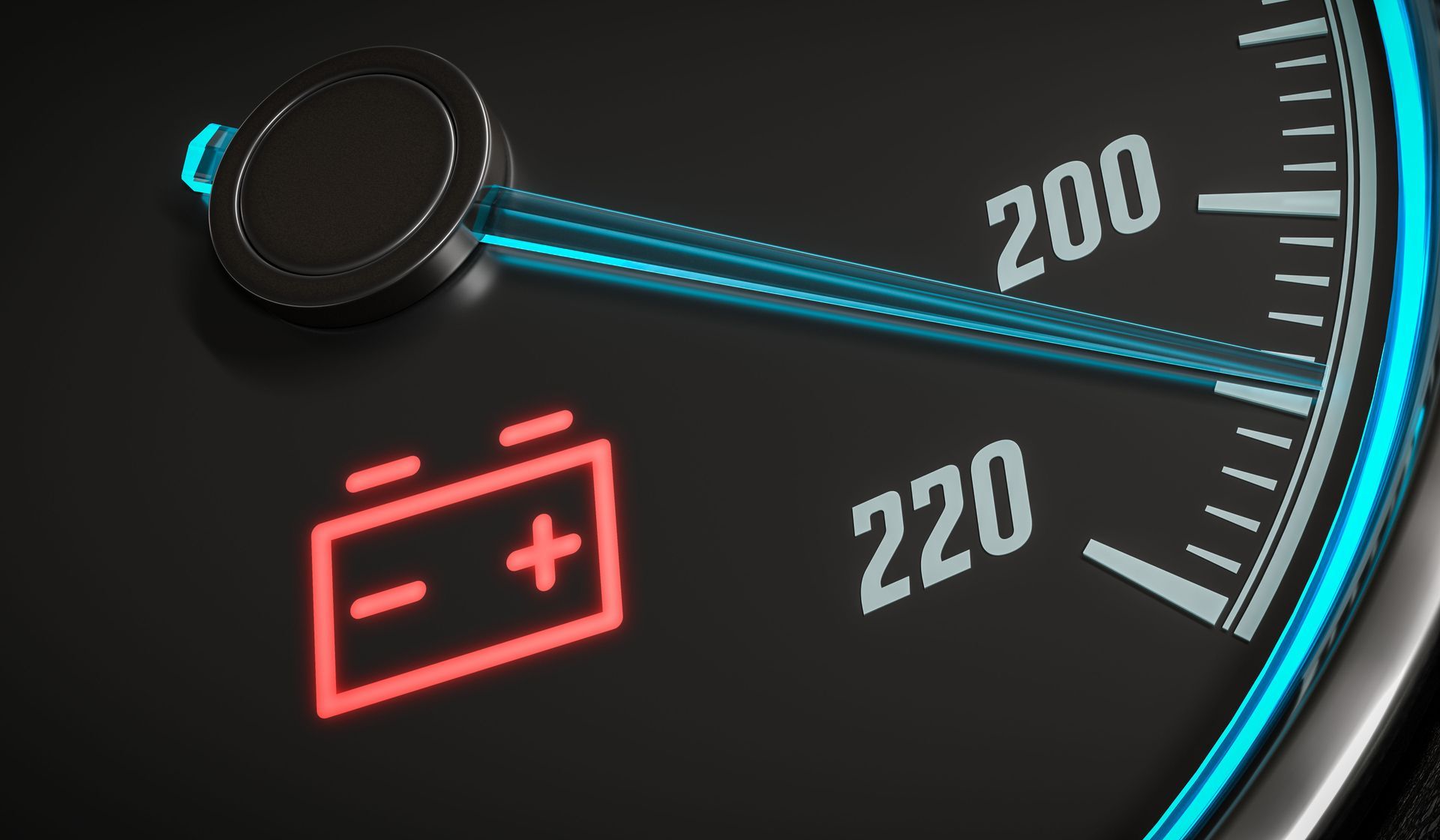
Modern vehicles contain sophisticated onboard diagnostic systems designed to monitor the health of various mechanical and electrical components. The dashboard warning lights serve as your primary communication tool with the internal computer. When the diagnostic system detects a consistent voltage drop or a charging system malfunction, it triggers a specific indicator on the dashboard. This computerized warning system is designed to alert you to problems long before they result in a complete breakdown on the highway.
Depending on the make and model of your vehicle, this warning manifests in a few ways. Many cars have a dedicated warning light shaped like a rectangular power unit with positive and negative symbols. Other vehicles might trigger a general check engine light when the voltage drops below a certain threshold. While a check engine light can signify numerous mechanical issues, it frequently points directly to a weak electrical source struggling to maintain sufficient power.
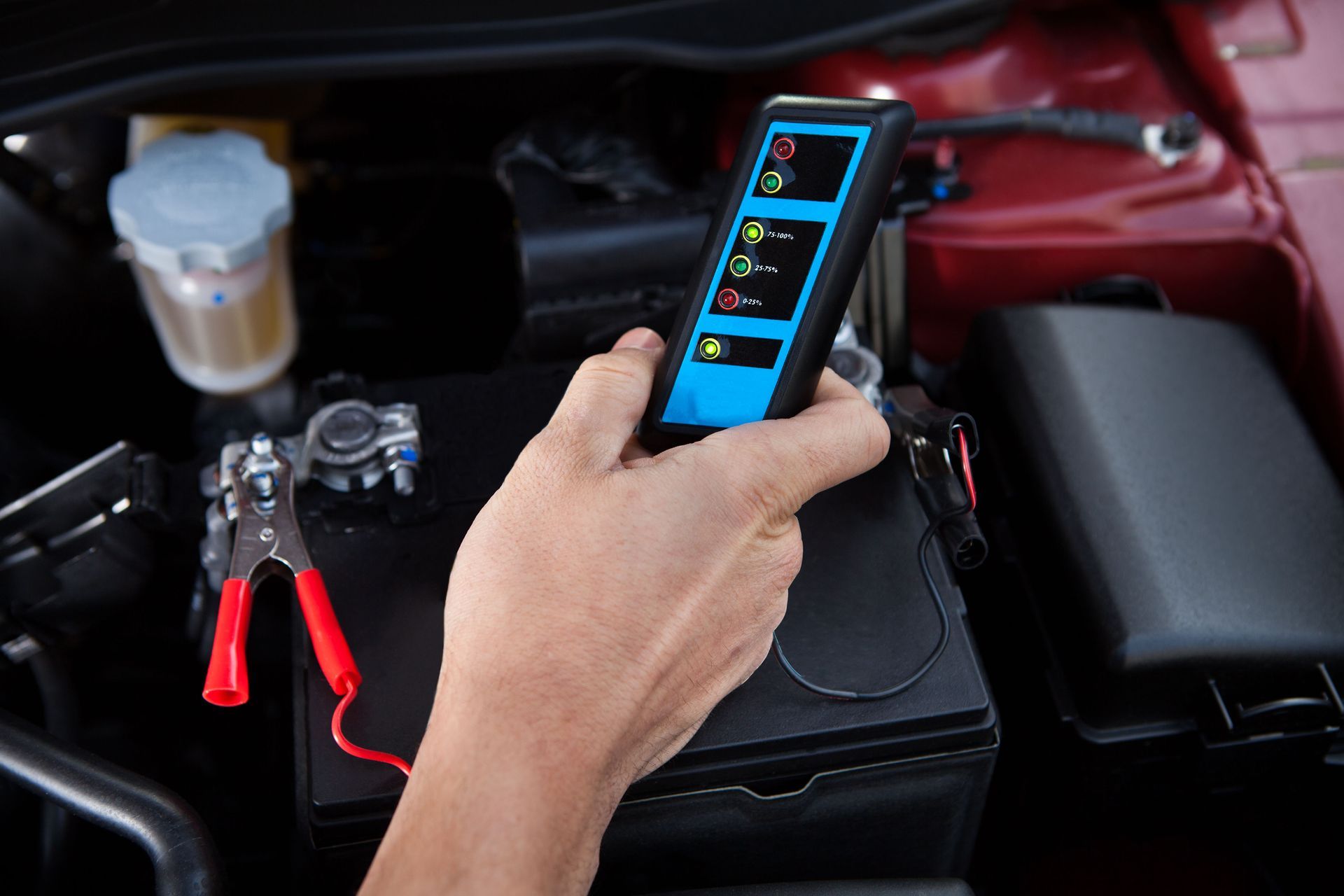
Many drivers make the critical mistake of assuming these dashboard lights will eventually turn off on their own. Ignoring this dashboard warning puts incredible strain on your alternator, as it works overtime to keep the vehicle running. If a professional diagnostic test reveals a low resting voltage, a car battery replacement is the correct course of action. Clearing the dashboard light provides peace of mind and confirms your electrical system is operating safely moving forward.
Maintaining your vehicle requires a proactive approach to routine automotive care. Paying close attention to the sound of your engine starting, the consistent brightness of your headlights, and the physical condition of the casing under the hood will keep you informed. Never ignoring your dashboard warning lights ensures you catch voltage issues early. Addressing these four major warning signs guarantees you remain in complete control of your daily schedule and personal safety.
A failing electrical system is an inevitable part of vehicle ownership, but being stranded on the side of the road is an entirely preventable situation. By recognizing these primary symptoms, you can take immediate action before complete failure occurs. Investing in a timely car battery replacement ensures your vehicle remains reliable for years to come. Staying observant gives you peace of mind for all your future travels and daily commutes.
If you're experiencing any of these warning signs, contact Full Service Battery Inc to schedule your car battery replacement today.