March 5, 2026
Installing new car batteries may seem straightforward, but mistakes during the process can lead to poor performance or even damage to your vehicle. This guide highlights common pitfalls and provides practical advice to ensure a smooth installation. By following these tips, you will not only help your battery operate efficiently, but also gain a better understanding of how batteries work and how they interact with your vehicle's electrical system. Taking the time to follow these steps carefully can make the process less stressful and more manageable, while also helping you feel more confident in completing the task successfully. By paying attention to details throughout the installation, you can extend the life of your new car batteries, maintain consistent vehicle performance, and ensure safety throughout the process, making future maintenance and checks simpler and more straightforward.
Key Considerations for Selecting the Right Battery
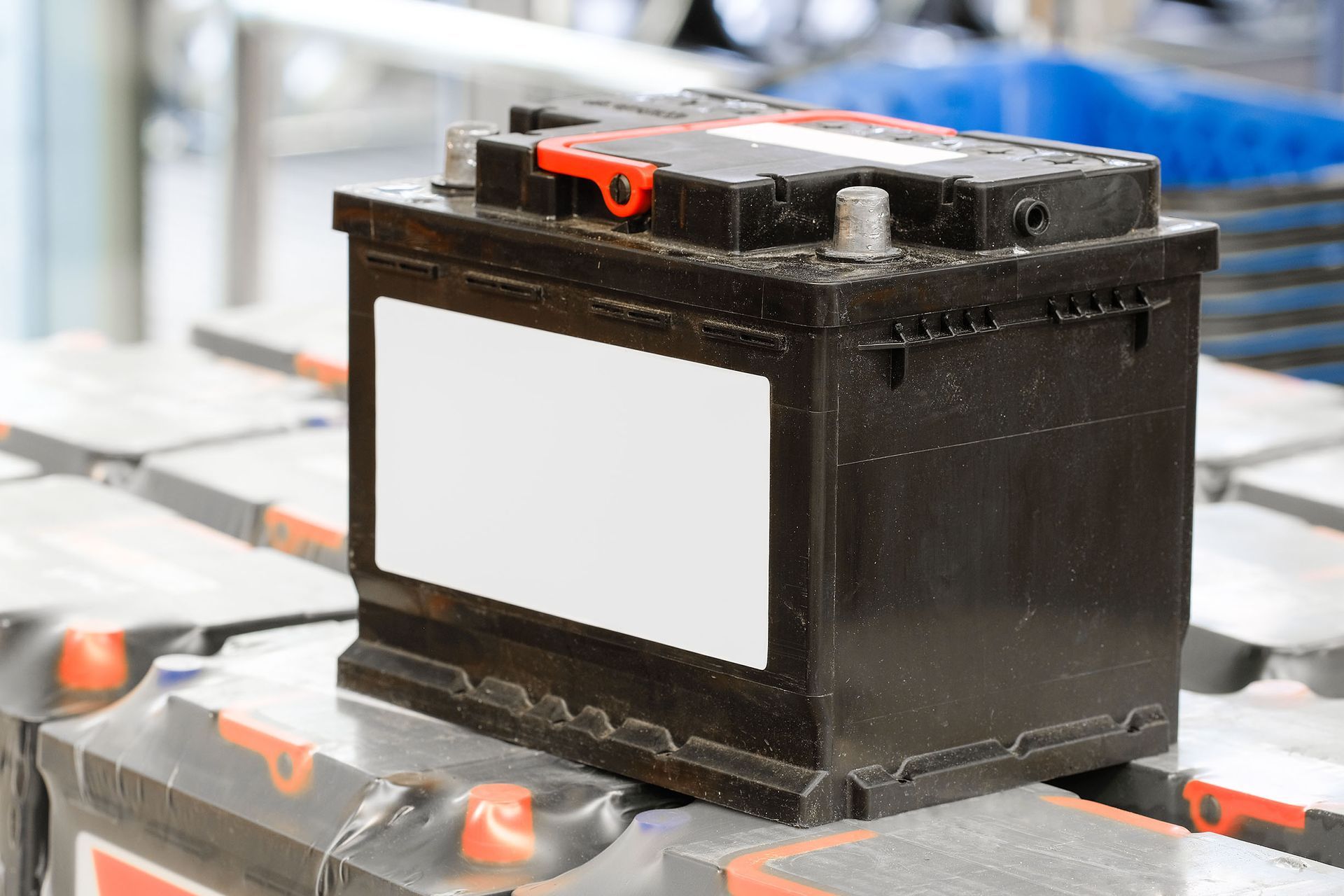
Selecting the correct battery type, size, and specifications is critical for optimal performance. Batteries differ in cold cranking amps (CCA), reserve capacity (RC), and physical dimensions, all of which must match your vehicle's requirements. Understanding these specifications helps you anticipate how the battery will respond under different conditions, such as extreme temperatures or high electrical demand. Paying attention to these details also reduces the likelihood of installation difficulties or operational issues down the road, giving you a smoother experience overall and helping ensure the longevity of your new car batteries.
Full Service Battery offers a wide range of options for cars, trucks, RVs, marine craft, and recreational vehicles such as ATVs, golf carts, and snowmobiles. Lead-acid, AGM, and lithium-ion batteries are all available, ensuring you can find a battery suited to your vehicle's needs. Always consult your vehicle's manual to confirm the recommended battery specifications and size. By taking the time to carefully match a battery to your vehicle, you can avoid potential compatibility issues and ensure that the battery fits securely in its compartment, allowing for easy access if maintenance is ever required.
Important Steps for Following Safety Precautions
Car batteries contain corrosive materials like sulfuric acid and can emit gases that are hazardous if mishandled. Always wear protective gloves and goggles when installing a battery and ensure your workspace is well-ventilated. Preparing your workspace in advance, including clearing away unnecessary items, can reduce the risk of accidents and make it easier to focus on the task at hand. Simple steps such as arranging tools within reach and having cleaning materials ready can make the process safer and more organized. These safety measures are essential to protect both you and your vehicle during installation.
When removing the old battery, disconnect the negative terminal first to reduce the risk of sparks. Avoid open flames, smoking, or placing tools near the terminals to maintain a safe installation environment. Taking a careful, methodical approach and paying attention to the steps involved helps minimize mistakes and creates a more controlled, stress-free installation process. Small precautions at the beginning can prevent complications and make the remainder of the installation more straightforward and manageable. Following proper safety procedures also contributes to the long-term effectiveness of your new car batteries.
Thorough Preparation of Tools and Workspace
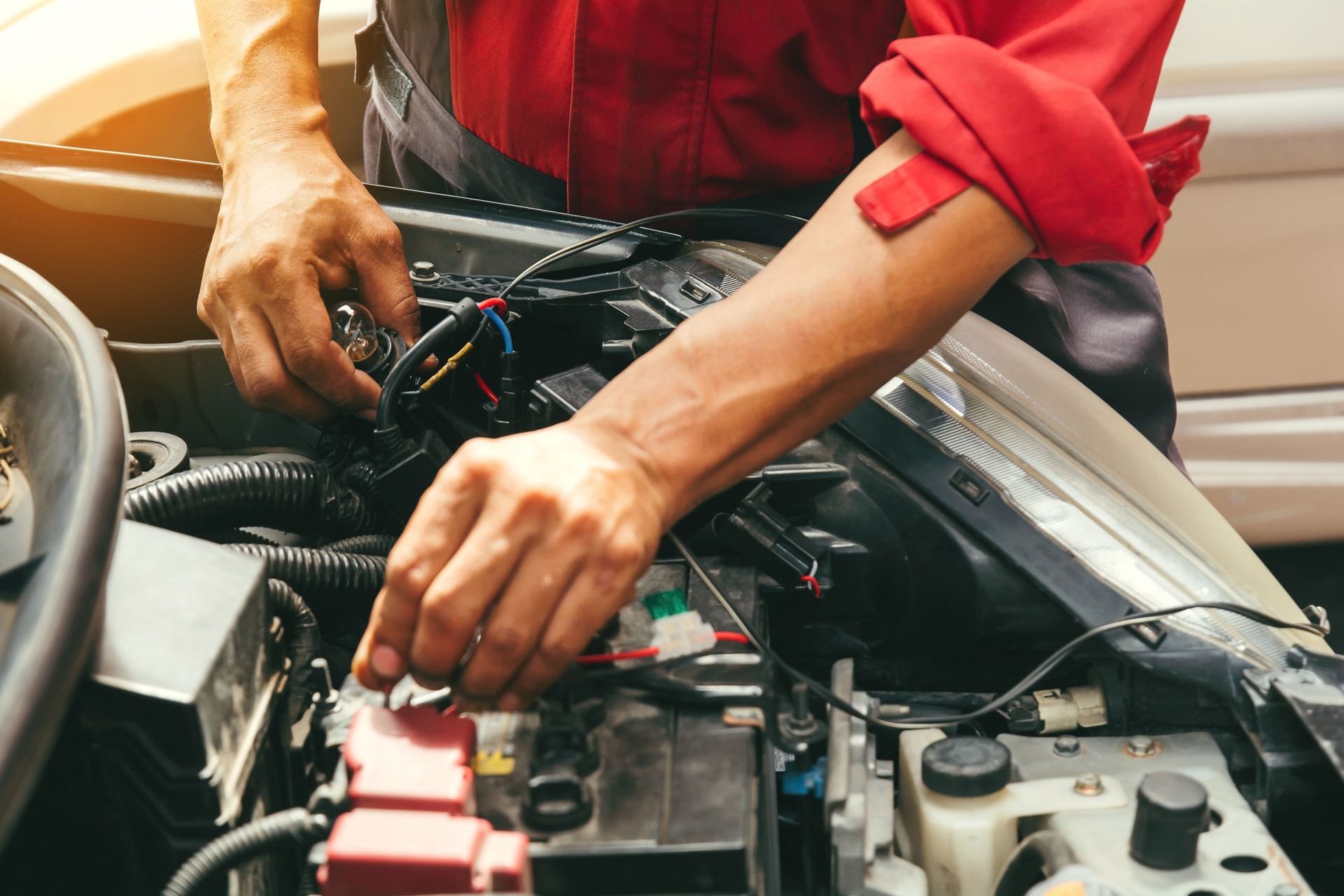
Proper preparation prevents errors and makes installation smoother. Gather necessary tools such as a socket wrench set, battery terminal brush, and terminal puller. Locate the battery in your vehicle ahead of time, as accessibility varies by model. Being organized and having everything you need close at hand can save time and prevent interruptions, allowing you to focus on performing each step carefully. A tidy and well-prepared workspace also reduces the chance of misplacing tools or causing minor accidents during the process. Thoughtful preparation supports an efficient installation and helps protect the vehicle's electrical components.
Cleaning the terminals with a baking soda and water solution helps remove corrosion and ensures efficient electrical contact. Dry all surfaces thoroughly before proceeding with installation. Taking the time to prepare surfaces and equipment properly not only supports the current installation, but also helps maintain the battery and surrounding components for the future. A methodical approach to cleaning and preparation can make each step easier and reduce the likelihood of issues later on. Maintaining clean terminals also contributes to the overall performance of your new car batteries.
Proper Process of Installing the Battery Correctly
Securely mounting the battery prevents damage from vibration or loose connections. Reattach brackets and fasteners properly to keep the battery stable within its compartment. Ensuring the battery is firmly positioned allows it to sit evenly in the vehicle, reducing movement that could interfere with electrical connections or create noise during operation. Careful placement also makes later inspections or maintenance easier, as the battery remains in an accessible and predictable position. Installing the battery properly ensures your new car batteries will operate as intended and reduces the likelihood of issues caused by loose connections.
Connect the positive terminal first, followed by the negative, to avoid electrical shorts. Use appropriately sized wrenches to tighten terminals without over-tightening, which could damage the battery posts. Performing these steps with attention to detail and in a steady manner supports long-term performance. Observing the installation process and double-checking each connection can give you confidence that the battery is set up properly and safely. Proper installation is essential to fully benefit from the capabilities of your new car batteries.
Consistent Maintenance of New Car Batteries After Installation
Routine maintenance extends battery life and improves vehicle function. Regularly inspect and clean terminals to prevent corrosion, and monitor charge levels as needed. Simple tools can help track battery performance and identify potential issues before they become serious problems. Adding small habits, such as checking connections during other vehicle maintenance tasks, can make upkeep simpler and help the battery perform as expected over time. This approach reduces surprises and makes your overall vehicle care process more efficient, while keeping your new car batteries operating at optimal capacity.
Full Service Battery can assist with testing and maintenance guidance, helping ensure your battery continues to perform optimally. Learning basic maintenance practices and incorporating them into a regular schedule supports better long-term outcomes and makes each inspection quicker and easier. Simple, consistent maintenance routines are effective in keeping the battery in good working order while making any issues easier to spot and correct early. Following proper maintenance also protects the overall health of your new car batteries.
Responsible Disposal of Old Batteries
Older batteries must be disposed of properly to protect the environment. Full Service Battery accepts all spent batteries for safe recycling, ensuring hazardous materials are handled responsibly. Proper recycling reduces waste, safeguards the environment, and supports sustainable battery use. Taking a moment to follow proper recycling steps allows valuable materials to be repurposed, rather than contributing to landfill waste, and ensures that harmful chemicals are kept out of soil and water systems. By incorporating recycling into the process, you help maintain a healthier environment while completing the battery replacement responsibly.
Awareness of the impact of battery disposal also encourages careful handling and contributes to overall environmental awareness for anyone performing this type of maintenance. According to the U.S. Department of Energy, a 2024 analysis of about 15,000 plug-in electric vehicles from model years 2011 to 2023 found that only 1.5% had a traction battery replaced due to failure, excluding recall work.
To explore our full range of new car batteries, installation services, and recycling solutions, learn more at Full Service Battery Inc in Farmington, MN. Our team is ready to provide guidance and assistance for all your battery needs and ensure your new car batteries perform at their best.