November 4, 2026
Understanding why your car battery frequently dies can save you time, money, and frustration on the road. Proper diagnosis of battery issues is crucial for vehicle owners who wish to maintain their vehicles effectively and avoid unexpected breakdowns. In this comprehensive guide, we explore the primary causes behind a malfunctioning or rapidly draining power cell and provide actionable guidance on when it is necessary to install a new car battery. By addressing these underlying mechanical and electrical concerns early, drivers can ensure their vehicles operate smoothly and dependably across all driving conditions. According to Intel Market Research, the continuous growth of the global vehicle fleet, now exceeding 1.4 billion vehicles, creates consistent demand for replacement batteries.
Recognizing Battery Age and Structural Wear
The typical operational lifespan of a modern automotive power cell ranges between three and five years, heavily influenced by individual driving habits, routine preventive care, and local weather conditions. As time progresses, internal lead plates suffer continuous chemical degradation and physical wear, gradually reducing their total energy storage capacity and overall efficiency. Motorists should routinely monitor the physical condition and manufacturing date of their unit, as aging units become exceptionally vulnerable to environmental stresses and high electrical demands. Identifying advanced age early prevents sudden, inconvenient starting failures and ensures consistent engine performance every time you turn the key.
Several distinct physical and operational symptoms signal that an aging power unit is reaching the absolute end of its functional life cycle. Drivers frequently notice slow or sluggish engine cranking, dimming interior dashboard displays, fading exterior lighting, and an increasing reliance on portable jump-starters to initiate combustion. In severe instances, an aging unit may produce a distinct sulfur-like odor caused by internal gas venting, or exhibit visible case swelling resulting from excessive internal heat generation. Routine digital testing and thorough visual inspections can isolate these physical signs of decline long before complete electrical failure leaves you stranded in an unfamiliar location.
Daily driving habits also play a massive role in accelerating structural wear, particularly when vehicles are repeatedly subjected to short, infrequent trips. Brief commutes do not provide sufficient operational time for the alternator to fully replenish the energy expended during the high-draw engine starting process. Over time, this chronic state of partial undercharging leads to severe plate sulfation, severely shortening overall service life and compromising cold-cranking performance.
Identifying Electrical Components and Parasitic Drains
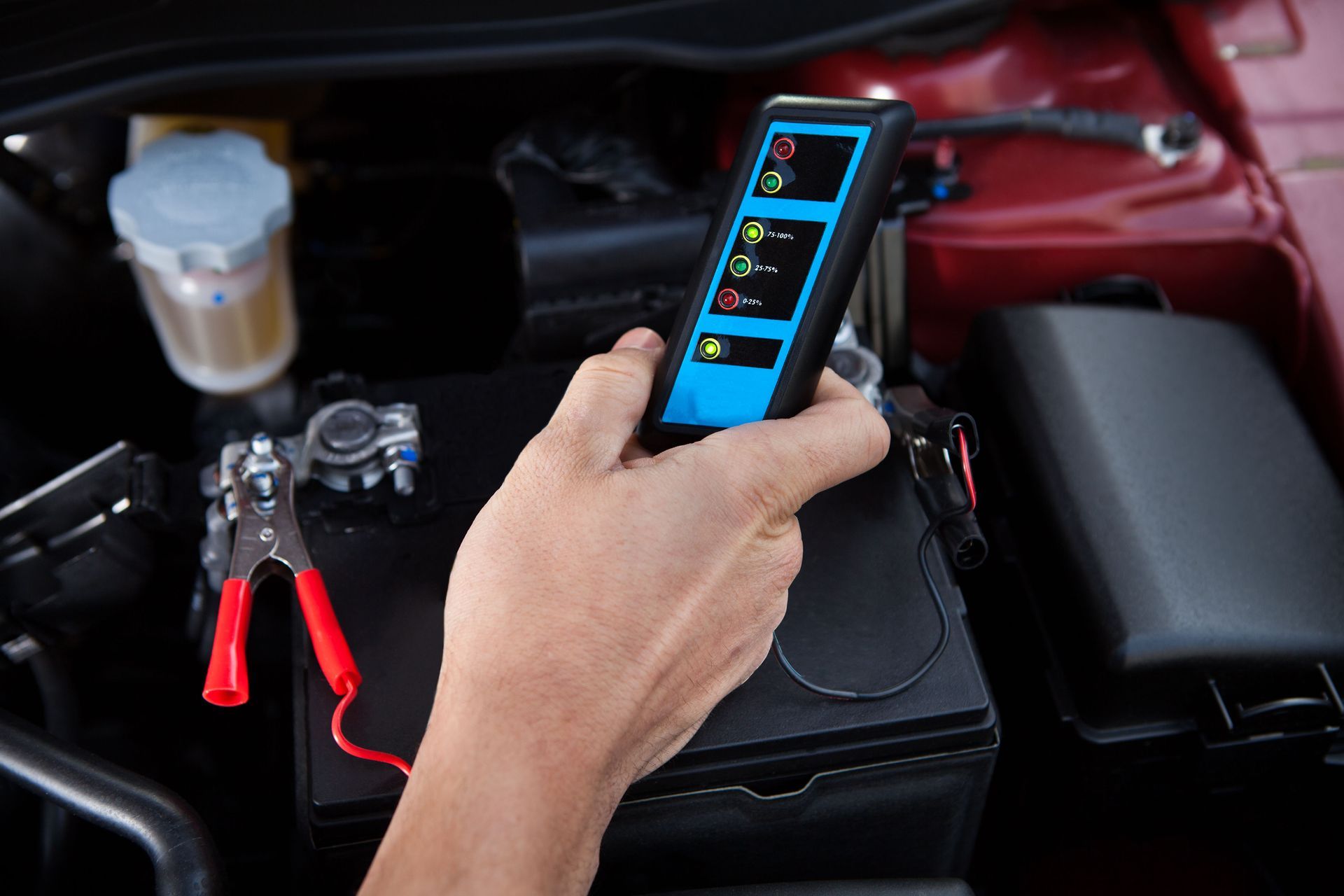
Parasitic drains occur when off-state electrical components continuously draw power from the battery after the ignition key has been turned off and completely removed. Locating these subtle power leaks can prove complex, yet doing so is vital for preventing premature battery failure and avoiding constant jump-start situations. Common causes include faulty glovebox or trunk interior lights that remain illuminated, malfunctioning security alarm modules, and improperly wired aftermarket accessories. Utilizing a digital multimeter set to measure milliampere draw allows technicians to systematically locate hidden drains across fuse circuits and eliminate unnecessary power loss before it permanently damages internal electrical components.
Faulty electrical devices within the vehicle represent another frequent cause of persistent, unexplainable power drain during periods of non-use. Failing relays that remain stuck in the closed position, damaged body control modules, and deteriorating wiring harnesses can continuously consume electrical current even while the vehicle slumbers overnight in your driveway. Because these components form the structural backbone of modern automotive electronics, an unresolved short circuit can quickly deplete a fully charged unit within a matter of hours. Prompt professional diagnosis and targeted component repair safeguard your electrical system against recurring discharge issues and unexpected starting failures.
Evaluating Charging System Failures and Components
An automotive charging system is tasked with maintaining energy reserves and supplying all operational power while the engine is actively running. Key components of this system include the belt-driven alternator, internal or external voltage regulators, electrical wiring harnesses, and the power storage unit itself. If any single component within this closed loop malfunctions, the battery will quickly discharge during normal driving conditions, leading to unexpected stalling. Routine inspection of charging system output ensures that voltage delivery remains within precise factory specifications, preventing sudden vehicle shutdowns and protecting delicate on-board microprocessors.
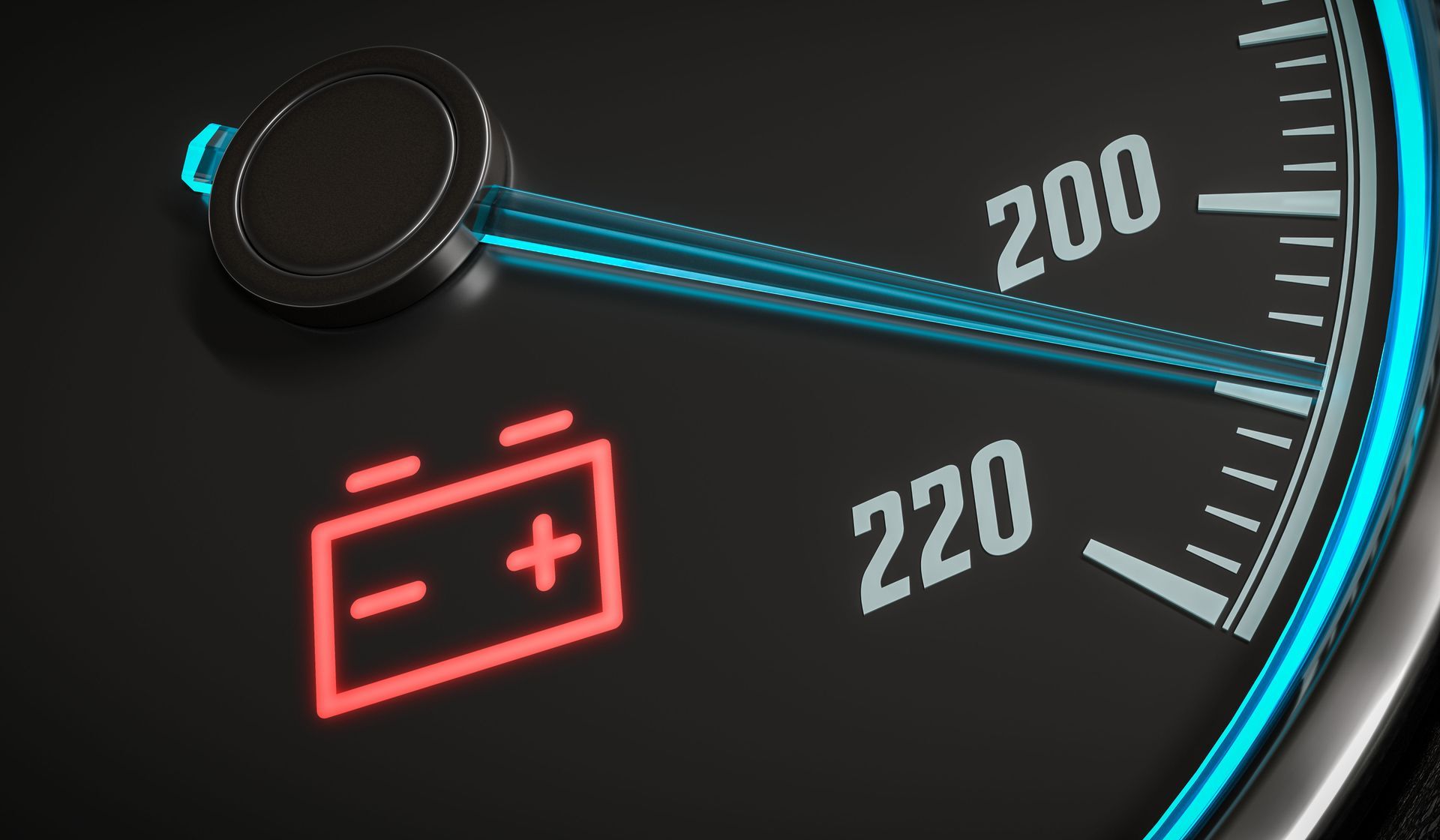
A failing alternator provides several clear warning signs that demand immediate mechanical attention to prevent complete loss of electrical steering and ignition functions. Drivers often observe flickering headlights, hear high-pitched whining noises emanating from worn alternator bearings under the hood, or notice illuminated battery indicator symbols on the dashboard instrument cluster. These indicators confirm that the alternator is failing to produce adequate voltage to sustain vehicle electronics and charge the battery. Addressing alternator issues early prevents complete electrical system collapse and avoids damaging sensitive on-board computers and digital sensors.
The serpentine drive belt plays a vital role in mechanically transferring rotational energy from the engine crankshaft to the alternator pulley. Over time, drive belts undergo physical stretching, surface glazing, rubber cracking, and tension loss, all of which cause slippage across the alternator pulley. Belt slippage directly reduces power generation efficiency, resulting in chronic undercharging, erratic voltage output, and eventual battery depletion. Incorporating regular belt inspections and timely tensioner replacements into your routine maintenance schedule ensures that the charging system operates at maximum efficiency under all electrical load conditions.
Cleaning Battery Corrosion and Repairing Connections
Battery terminal corrosion is a primary cause of high electrical resistance, leading directly to starting difficulties, slow cranking, and improper charging system feedback. Corrosion typically manifests as a crusty white, green, or blue powder accumulation surrounding the solid lead terminal posts and metal cable clamps. This oxidation barrier impedes the efficient flow of high-amperage electrical current necessary to turn over the heavy starter motor. Regular visual inspections enable vehicle owners to spot early corrosion buildup and take corrective action before total conductivity loss leaves the vehicle completely unresponsive.
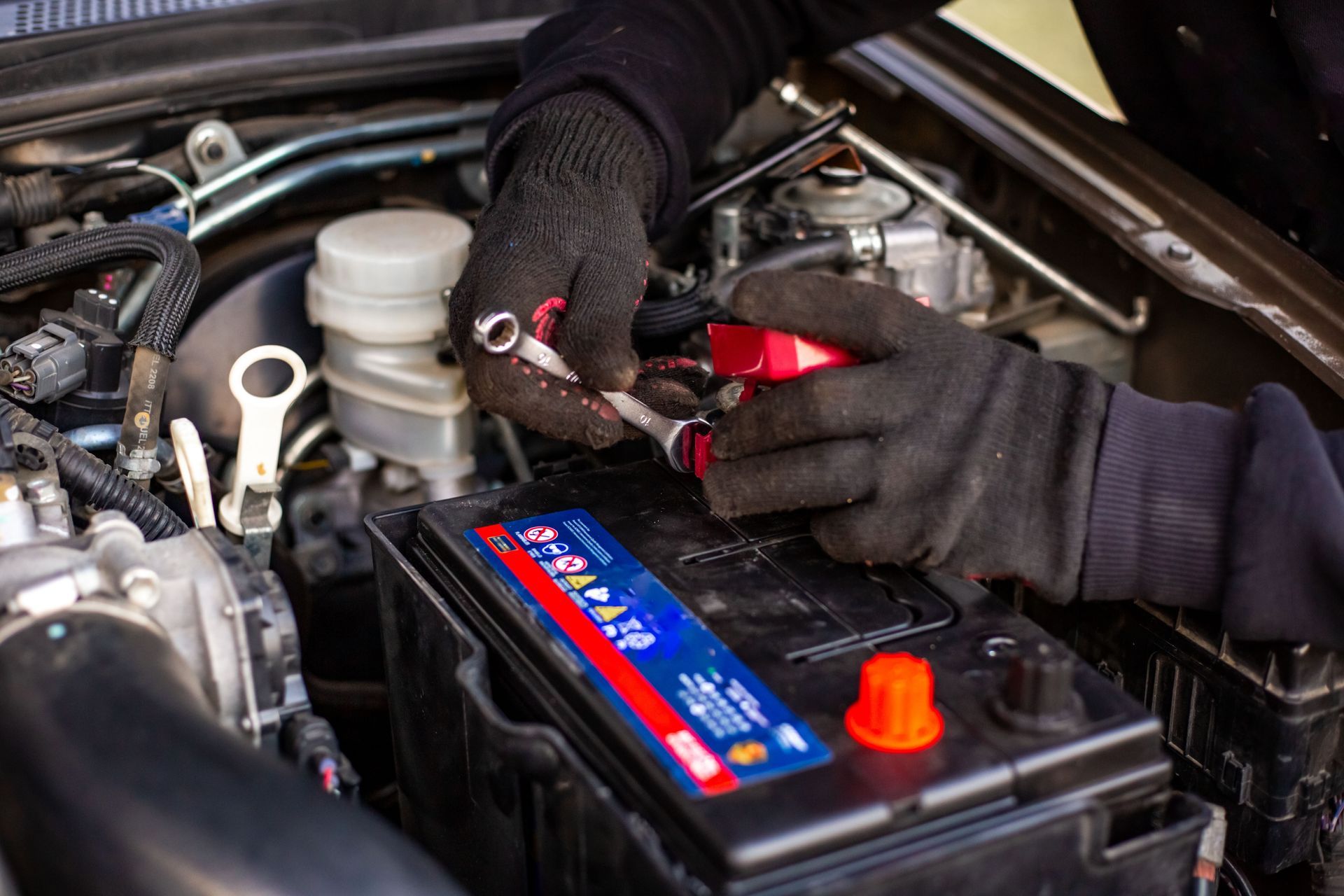
Thoroughly cleaning and maintaining electrical connections is essential for achieving optimal vehicle starting performance and extending overall component service life. Neutralizing corrosive acid deposits using a specialized chemical cleaning solution or a baking soda and water mixture restores clean, highly conductive metal contact surfaces. After removing heavy oxidation with a dedicated wire terminal brush, technician-grade protective sprays or felt washers should be applied to inhibit future chemical buildup. Ensuring that all terminal clamps are torqued securely prevents dangerous voltage drops and protects delicate electrical circuitry throughout the engine bay.
Selecting a New Car Battery and Replacing It Timely
Knowing when to replace a failing power unit is crucial for maintaining overall driving reliability and preventing sudden roadside isolation during busy schedules. Key replacement indicators include extended engine cranking times, frequent jump-start requirements, bulging case side walls, and low open-circuit voltage readings during static testing. Digital battery analyzers provide detailed measurements of internal resistance and remaining cold-cranking capacity, giving clear diagnostic proof when a unit can no longer hold charge reliably. Investing in a quality new car battery promptly eliminates starting uncertainty and preserves modern electronic functionality across all systems.
Selecting the ideal replacement unit requires careful consideration of physical case size, terminal orientation, cold-cranking amperage, and reserve capacity ratings specified by the original vehicle manufacturer. Installing an incorrectly sized or underpowered unit can overload the charging system and lead to premature starting failure under heavy load.
Proper environmental disposal and recycling of retired automotive power units represent a crucial final step in the replacement process. Old units contain hazardous sulfuric acid and heavy lead components that require specialized industrial handling to prevent severe environmental contamination. Fortunately, automotive service facilities offer efficient recycling programs that reclaim valuable raw materials for future manufacturing. By combining proactive maintenance, timely diagnostic testing, and responsible recycling, motorists can maintain superior vehicle performance while contributing to environmental sustainability. For more information about the services that we offer, reach out to our incredible team at Full Service Battery Inc today!